
Types of Roof Repairs in Orlando, FL
Common Leaks, Storm Damage & Fixes (And When to Call a Pro)
If your roof is actively leaking or you’ve had storm damage, call +1 321-386-1794 or request an estimate online.
Quick answer (for Orlando homeowners)
Most roof repairs in Orlando fall into three buckets:
- Leak-source repairs (flashing, vent boots, valleys, penetrations)
- Material repairs (shingle, tile, metal, flat/low-slope)
- Storm-response repairs (emergency tarping and temporary protection)
This guide explains the most common repair types, what symptoms to look for, and what usually fixes the problem.
Not sure what’s causing the leak? Start with a professional inspection and a clear repair plan.
Fast diagnosis: symptom → likely cause → repair type
Use this as a
starting point (an inspection confirms the real cause):
1) Ceiling stain or drip after heavy rain
Likely cause: flashing, valley, vent/pipe boot, skylight/penetration
Typical repair: leak-source repair + waterproofing restoration
2) Leak shows up near a bathroom or kitchen
Likely cause: cracked vent boot, loose flashing, seal failure
Typical repair: vent/pipe boot repair (often a quick but high-impact fix)
3) Shingles/tile/pieces on the ground after wind
Likely cause: wind uplift, ridge cap damage, broken fasteners, cracked tile
Typical repair: shingle/tile replacement + edge/ridge repairs
4) Leak only during wind-driven rain
Likely cause: roof-to-wall flashing, chimney flashing, ridge/edge details
Typical repair: flashing/edge repair + targeted sealing (not a “smear caulk everywhere” patch)
5) Water pooling on a flat/low-slope roof
Likely cause: seam/penetration leak, clogged drains, ponding water
Typical repair: seam/penetration repair + drainage correction
If you’re not sure which one fits your situation, book an inspection.
Contact Us & Get Your Inspection NOW!
Leak-source repairs (where water actually gets in)
Leak-source repairs (where water actually gets in) These are the repairs that often solve “mystery leaks,” even when the roof material looks mostly fine.
1) Flashing repair (chimneys, walls, skylights, transitions)
What it fixes: Leaks at roof joints and transitions—where the roof meets another surface. Common signs:
● Stains near a chimney or exterior wall
● Leaks that keep coming back in the same area
● Water intrusion after wind-driven rain
Typical repair approach: Repair or replace failing flashing, correct the transition detail, then restore waterproofing.
If you’ve had recurring leaks, start here:
2) Vent / pipe boot repair (one of the most common leak sources)
What it fixes: Failed seals around plumbing vents and roof penetrations.
Common signs:
● Drips that appear “random”
● Moisture near bathrooms/kitchens
● Staining that worsens after heavy rain
Typical repair approach: Replace the boot/flashing component and integrate it correctly with the roof covering.
3) Valley leak repair (high water-flow zone)
What it fixes: Leaks at roof joints and transitions—where the roof meets another surface. Common signs:
● Stains near a chimney or exterior wall
● Leaks that keep coming back in the same area
● Water intrusion after wind-driven rain
Typical repair approach: Repair or replace failing flashing, correct the transition detail, then restore waterproofing.
If you’ve had recurring leaks, start here:
4) Skylight leak repair (flashing, frame, or seal failures)
What it fixes: Leaks around the skylight curb, frame, or flashing.
Common signs:
● Dripping during rain
● Fogging or moisture near the skylight
● Stains around the skylight shaft
Typical repair approach: Repair flashing/seals; in some cases recommend replacement if the unit itself is failing.
Material repairs by roof type
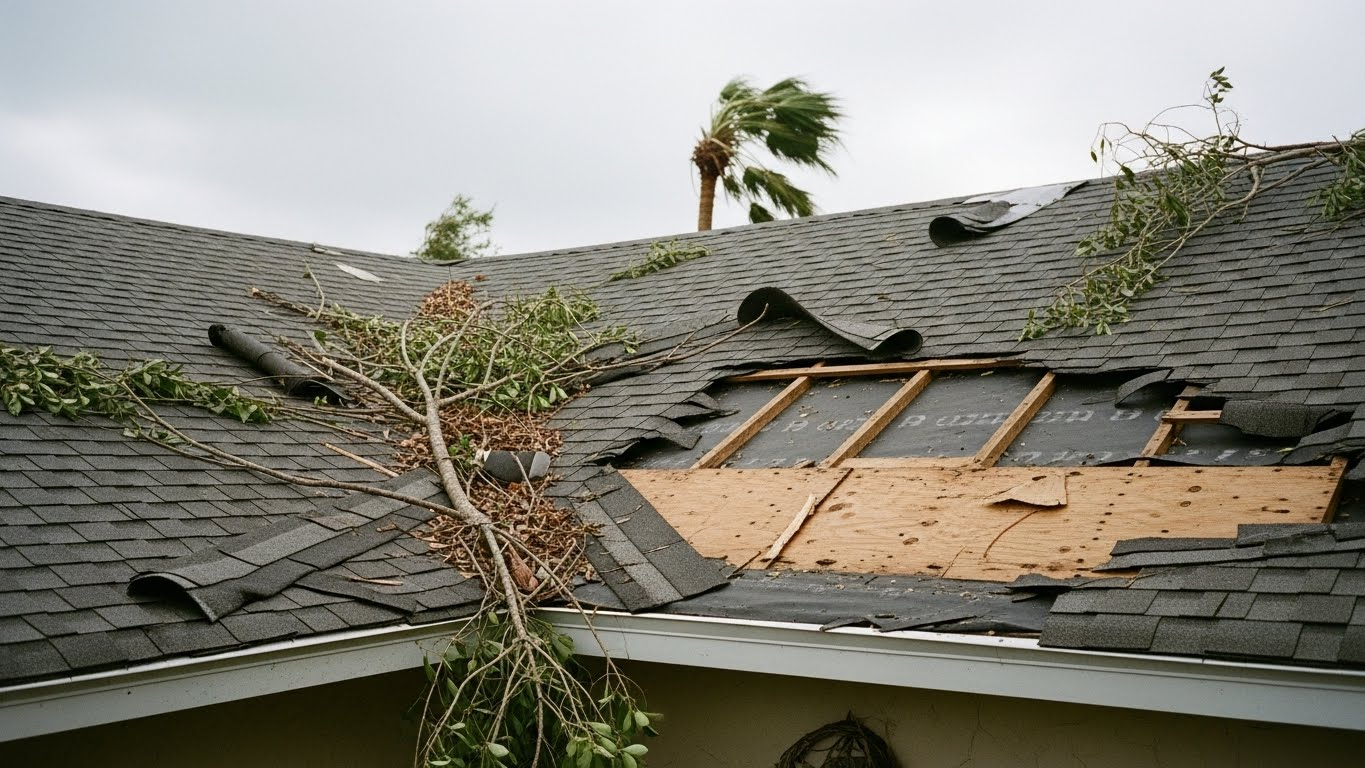
5) Shingle roof repair (missing shingles, nail pops, ridge cap issues)
What it fixes: Wind-damaged or missing shingles, lifted edges, exposed nails, ridge cap blow-offs.
Common signs:
● Shingles on the ground
● Visible lifting or curling
● Leaks after storms
Typical repair approach: Replace damaged shingles/ridge caps, correct fastening, and restore edge/ridge protection.
6) Tile roof repair (cracked/slipped tiles + waterproofing symptoms)
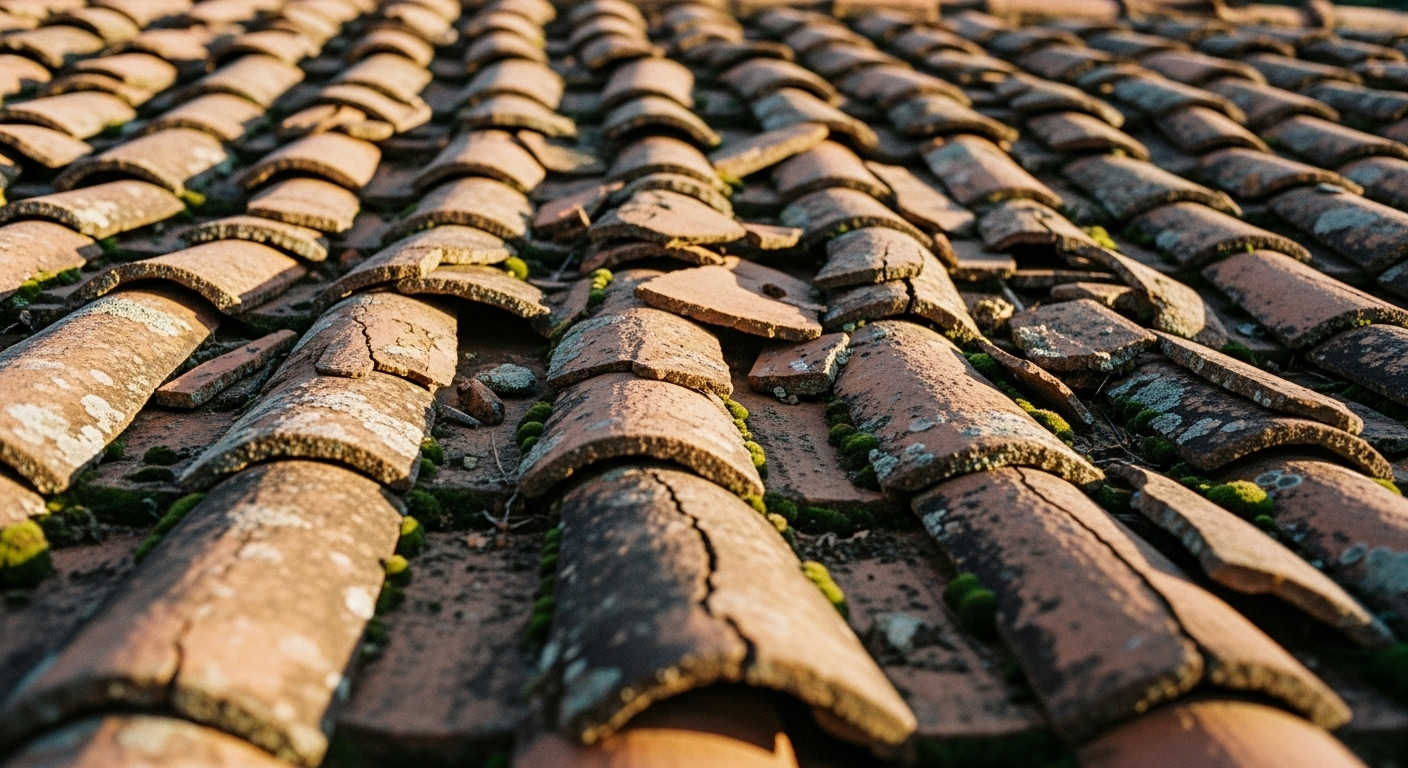
What it fixes: Broken/slipped tiles, ridge/hip issues, and leaks that can originate beneath the tile system.
Common signs:
● Cracked tiles or tile pieces in gutters
● A leak that persists even after a tile is replaced
● Multiple small problem spots after storms
Typical repair approach: Replace/reset tiles and address underlying waterproofing details when needed.
7) Metal roof repair (fasteners, seams, penetrations)
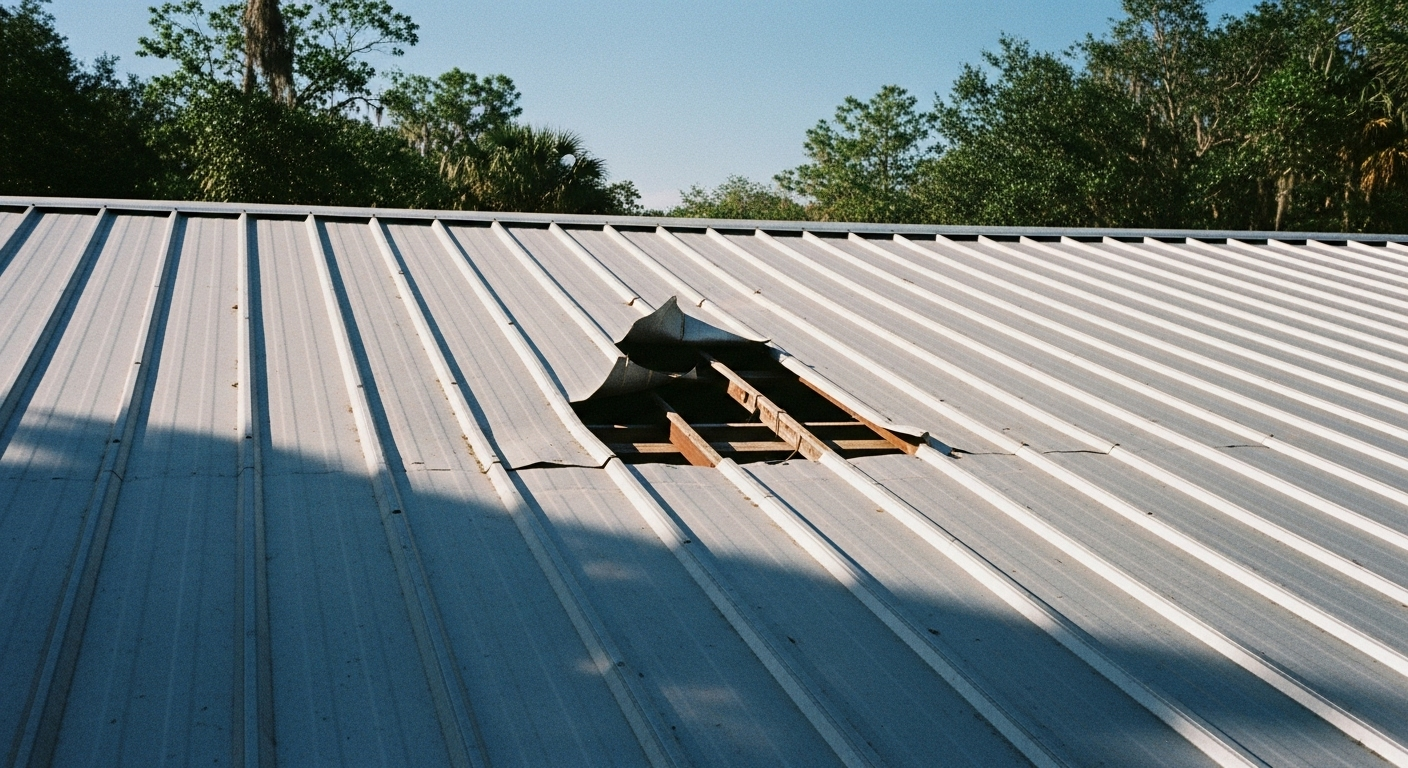
What it fixes: Loose fasteners, worn washers, seam issues, penetration leaks, localized corrosion.
Common signs:
● Drips near fasteners
● Leaks during wind-driven rain
● Visible fastener wear or separation
Typical repair approach: Replace/secure fasteners, repair seams/penetrations, and restore appropriate sealing.
8) Flat / low-slope leak repair (seams, penetrations, drains)
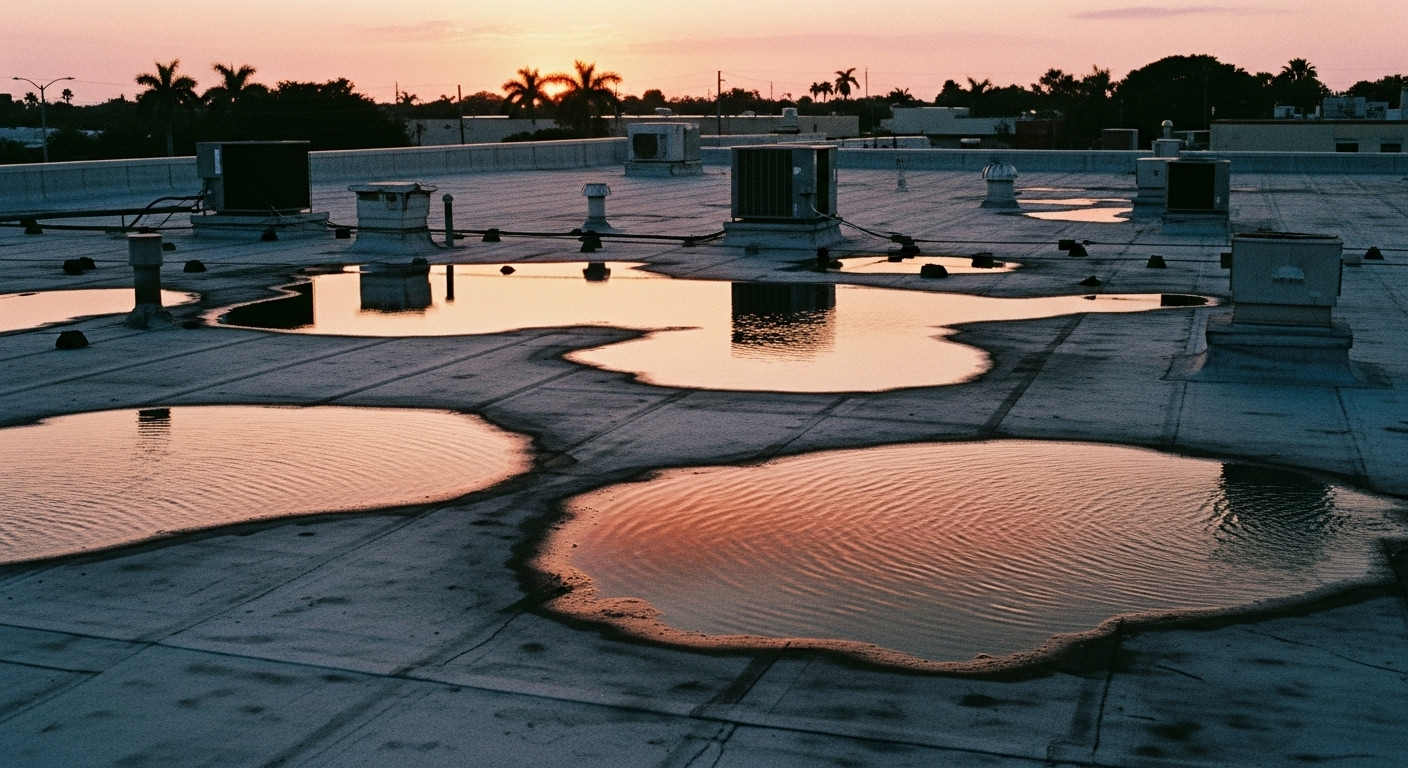
What it fixes: Membrane seam failures, penetration leaks, drainage/ponding problems.
Common signs:
● Standing water
● Leaks that seem to “move”
● Stains after sustained rainfall
Typical repair approach: Repair seams/penetrations and improve drainage where necessary.
9) Decking / sheathing replacement (soft spots and rot from long-term leaks)
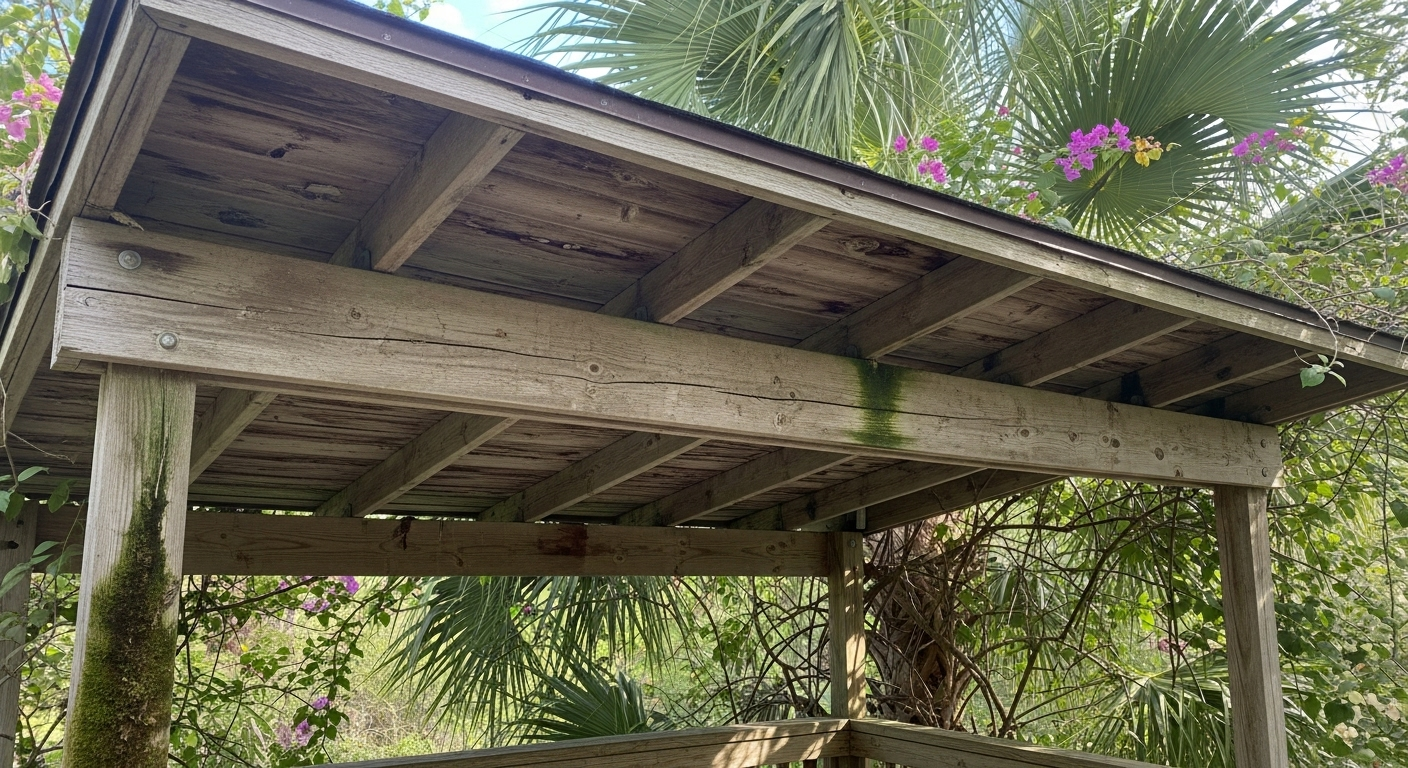
What it fixes: Damaged wood beneath the roof covering caused by repeated moisture intrusion.
Common signs:
● Soft spots
● Sagging areas
● Persistent leaks and musty odors
Typical repair approach: Remove damaged materials, replace decking, and rebuild the affected roof system correctly.
Storm and emergency repairs (Orlando reality)
10) Emergency tarping / temporary dry-in
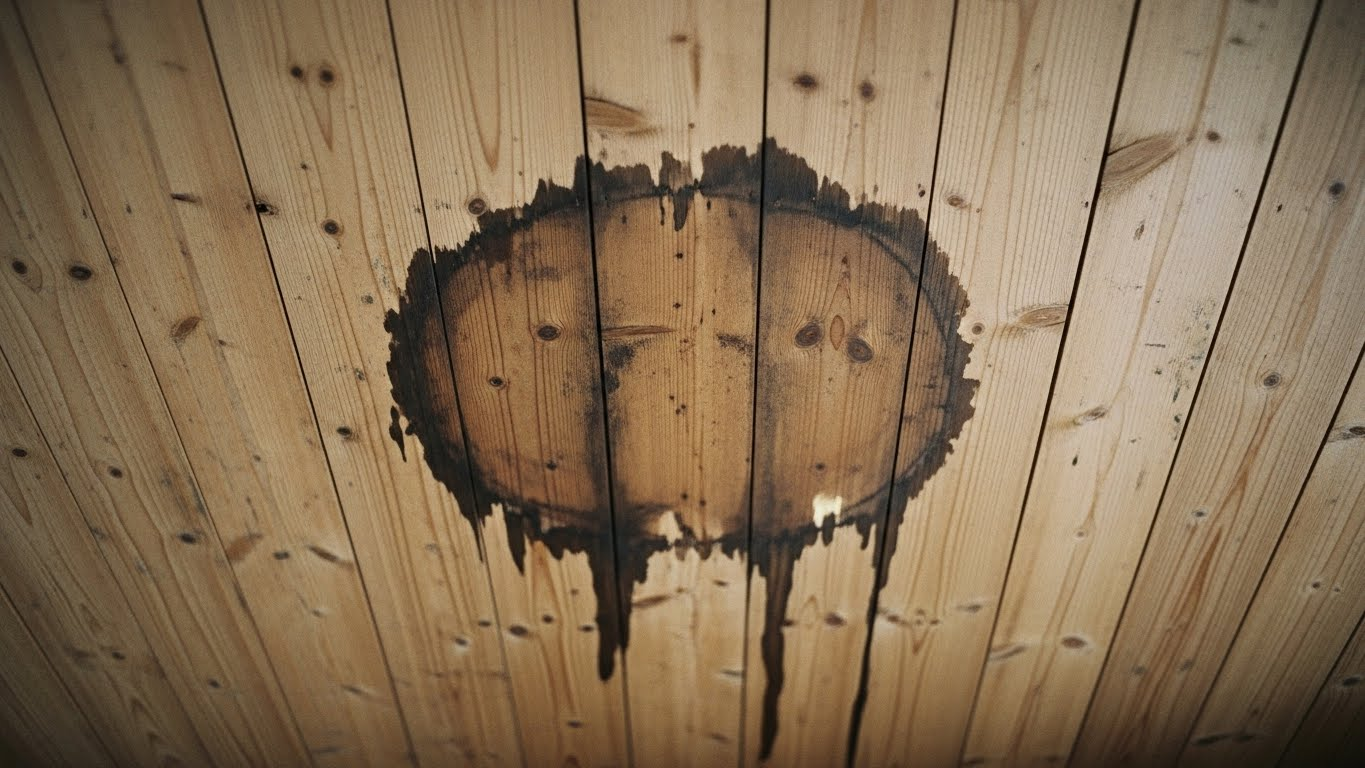
What it does: Stops active water intrusion and protects your home until permanent repairs can be completed.
When it’s urgent:
● Active leaking
● Exposed roof deck
● Missing large sections of roof covering
● Storm damage with interior water entry
Need immediate help? Call +1 321-386-1794.
11) Storm damage assessment + photo documentation
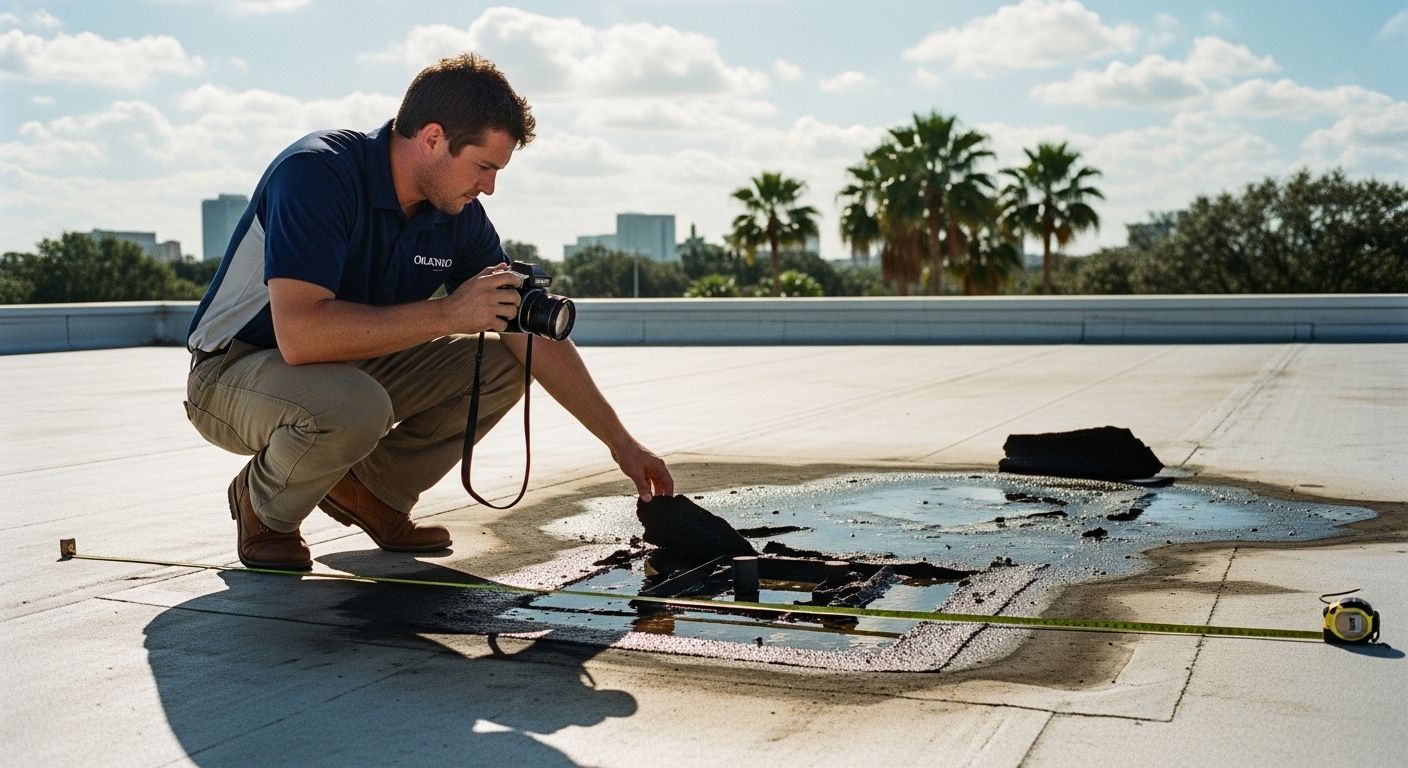
After storms, the fastest path to the right repair is a professional inspection that documents damage and outlines the repair scope clearly.
Start here: Residential Roof Repair Orlando
Drainage and water-management fixes
12) Gutter/drainage corrections that prevent leak symptoms
Sometimes the roof covering is intact—but water is being pushed where it shouldn’t go due to clogged gutters, poor drainage, or debris buildup.
Typical fixes:
Debris clearing, drainage improvements, and targeted edge/valley repairs where water backs up.
Florida code & permitting notes (the “25% rule” question)
Homeowners often ask: “Why can’t you just repair the damaged area?”
In Florida, repair scope and permitting requirements can depend on how much of the roof area/section is being worked on and local code enforcement. If your repair is large enough, it may trigger additional requirements.
Best practice: Don’t guess. We’ll explain what applies to your roof after inspection and help you understand the next steps.
How Logams Roofing handles roof repairs
- Inspection + leak-source detection (fix the cause, not just the symptom)
- Photos + clear repair plan (what’s wrong, what we recommend, and why)
- Targeted repair using the correct method for your roof type
- Cleanup + final walk-through
- Next-step guidance (including repair vs. replacement if needed)
Not sure whether repair or replacement makes more sense?
FAQs
What are the most common roof repairs in Orlando?
The most common repairs are leak-source fixes (flashing, vent boots, valleys), storm-related shingle/tile repairs, and waterproofing around penetrations. Orlando’s rain and wind-driven storms make roof transitions and penetrations frequent trouble spots.
What’s the fastest way to stop an active roof leak?
The safest fast option is usually temporary protection (like tarping) followed by a permanent repair that addresses the underlying cause. If water is actively entering your home, call right away to prevent interior damage.
How do you find the source of a roof leak?
Leak detection starts with interior symptoms (stains, drips) and traces back to common entry points (flashing, vents, valleys, penetrations) and roof condition. The goal is to fix the entry point—not just the visible stain.
Are roof leaks always caused by missing shingles?
No. Many leaks come from flashing, pipe boots, valleys, skylights, or penetrations—even when the roof surface looks “mostly fine.” That’s why diagnosing the leak source matters more than guessing.
Can you repair a tile roof without replacing the whole roof?
Often, yes. Tile roofs can be repaired by replacing/resetting damaged tiles and addressing waterproofing details. If the waterproofing layer beneath the tile is compromised, the repair plan may need to address that to stop leaks long-term.
What is roof flashing and why does it fail?
Flashing is installed at roof joints and transitions to keep water out. It can fail due to wind damage, corrosion, improper installation, aging sealants, or movement at roof-to-wall transitions.
When is a roof leak an emergency?
If water is actively entering your home, if you see sagging/soft spots, or if storm damage exposed roof materials, it’s an emergency. Fast action reduces interior damage and mold risk.
Do you offer emergency storm response?
Yes. Emergency services can include temporary protection and guidance toward the permanent repair plan. Call +1 321-386-1794.
Get an estimate / book an inspection
If you’re in Orlando and you’re not sure what kind of roof repair you need, start with an inspection and a clear repair plan.
- Leak detection & targeted repairs
- Storm response & temporary protection
- Shingle, tile, metal, and low-slope solutions
Call: +1 321-386-1794