
Why Flat Roof Leak Diagnostics Matter More in Central Florida
In Central Florida, flat roof leaks aren’t just a nuisance — they’re a signal of deeper roofing system failures. Unlike other regions, our climate subjects roofs to relentless sun, heavy rain, tropical storms, and humidity that accelerates material breakdown. At Logams Roofing, we take a forensic approach to flat roof leak detection, using scientific analysis and advanced tools to uncover the true cause — not just the symptoms. This is especially important in Florida, where small leaks can quickly escalate due to the combination of thermal shock, UV degradation, ponding water, and wind-driven rain. A quick patch might stop the drip for now — but without understanding the root cause, that leak will likely return.
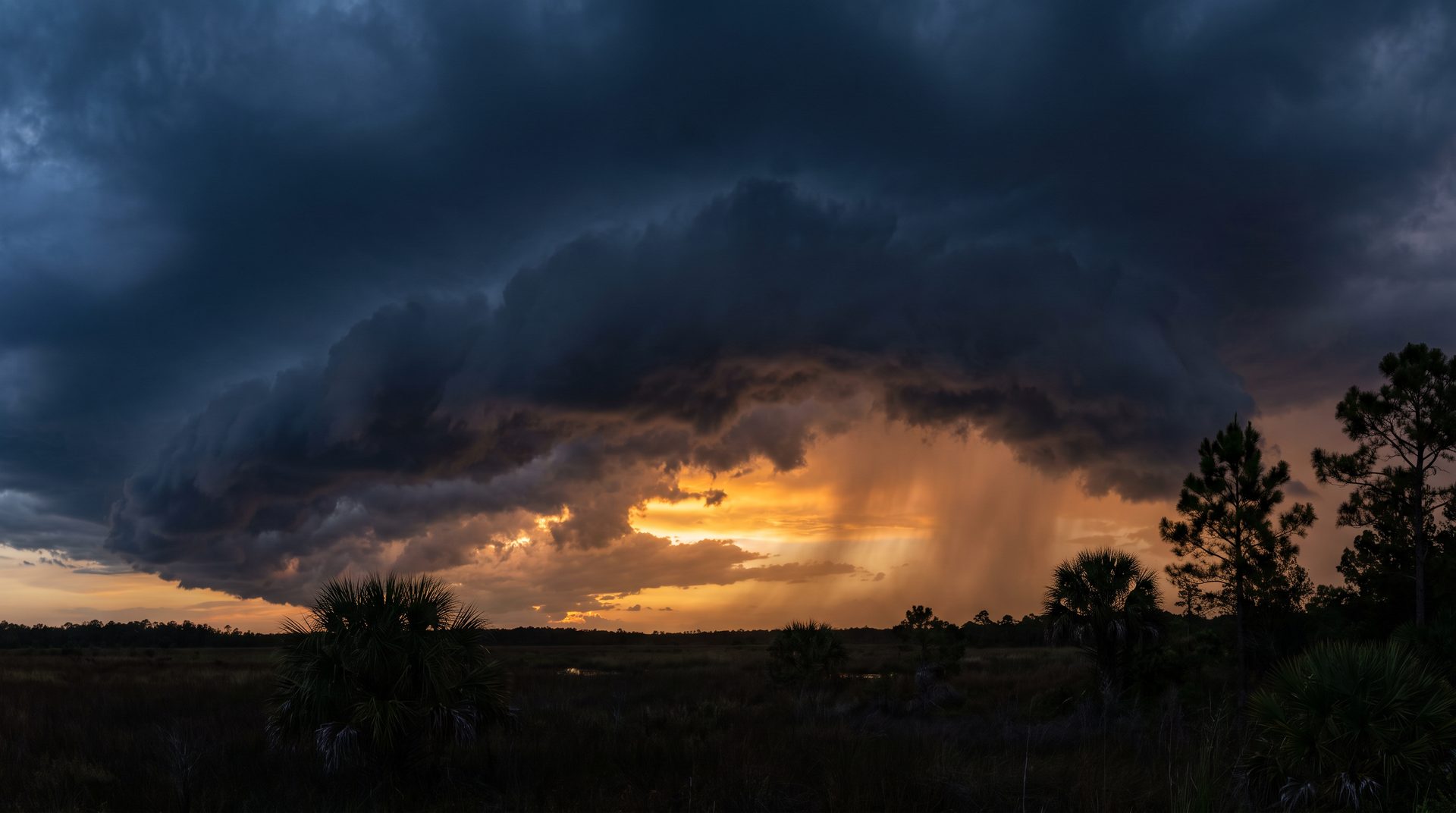
Florida’s Harsh Climate: A Perfect Storm for Roof Damage
The climate in Central Florida creates the perfect storm of conditions that break down roofing systems faster than most parts of the country. Here’s what makes Florida unique:
- Intense UV Radiation: Breaks down roofing membranes at the chemical level.
- High Humidity & Daily Rains: Moisture rarely evaporates, keeping roofs constantly damp.
- Thermal Shock: Rapid temperature drops from thunderstorms cause roofing materials to expand and contract violently.
- Hurricanes & Wind Loads: Force water upward into seams and flashing details.
This means your roof is constantly under attack — and a leak is often just the final symptom of a much deeper problem.
Common Misconceptions About Flat Roofs
One of the biggest issues we see in roof leak diagnostics is that many property owners misunderstand what a "flat roof" really is. Let’s clear that up:
Common Misconceptions About Flat Roofs
-
Misconception 1: Flat Means LevelList Item 1
Even “flat” roofs should have a slight slope — typically ¼ inch per foot — to allow proper drainage. However, over time:
- Structural settling
- Compressed insulation
- Poor installation ...can all cause low spots that hold water.
These areas are breeding grounds for leaks.
-
Misconception 2: A Leak Means a HoleList Item 2
Not always. In Florida, water often enters through seams, fastener back-out, or flashing failures — not just visible holes. Water can travel laterally through the roof assembly before dripping down into your building.
-
Misconception 3: Patching Stops the Leak
Patching addresses the symptom — not the problem. Unless the cause is identified (UV damage, seam separation, membrane shrinkage, etc.), the leak will reappear — often in a different spot.
How We Diagnose Roof Leaks: Step-by-Step Process
At Logams Roofing, we follow a proven forensic workflow to track and eliminate flat roof leaks:
1. Interior Leak Mapping
We start inside, tracing stains and moisture paths in ceilings, walls, or attics. Water often travels along structural components like beams or conduits.
2. Visual Roof Inspection
We look for the “big three” problem areas:
- Penetrations like pipes, vents, HVAC units
- Seams & laps in the membrane
- Drainage points like internal drains and scuppers
We also document ponding water, algae growth, surface cracks, and membrane tension.
3. Advanced Leak Detection Tools
When visual inspection isn’t enough, we bring in technology:
- Infrared Thermography (IR): Detects trapped moisture by measuring temperature differences.
- Electronic Leak Detection (ELD): Pinpoints small holes in TPO, PVC, and other membranes.
- Nuclear Moisture Scanning: Finds moisture deep in the roof system layers.
- Capacitance Meters: Useful for fast spot-checks of moisture under the surface.
Each tool has its pros and cons depending on roof type, weather, and time of day.
When roof leaks are often covered in Central Florida
Central Florida’s most common leak claims are storm-driven. Here are the scenarios that typically have the best chance of coverage.
1) Windstorm or hurricane damage that creates an opening
For hurricane claims, Florida’s definition of “hurricane coverage” includes interior water damage (rain, etc.) only when wind first damages the building and creates an opening that lets water in.
In practice, this is why adjusters look for lifted shingles, damaged flashing, punctures, or other evidence of wind-created entry points.
2) Impact damage from falling objects
If a tree limb, palm frond, or flying debris punctures the roof or breaks tile/shingles, the “cause” is usually clear and event-based—exactly what insurance is designed to address.
3) Sudden failures tied to a specific event date
Not every covered leak is a named hurricane. A fast-moving thunderstorm can lift materials and expose underlayment; a single event can crack tiles or damage roof penetrations. If you can tie the leak to a specific storm date and visible damage, the claim is often stronger than a “we noticed stains over time” report.
When roof leaks are often NOT covered
1) Aging roofs and deferred maintenance
Insurers routinely deny roof-leak claims by classifying the cause as deterioration. Even if the leak showed up “during a storm,” the insurer may argue the storm simply revealed a pre-existing weakness.
2) Long-term or “gradual” leaks
If the insurer believes water intrusion happened over weeks or months, they may deny the roof portion, limit interior coverage, or attribute damage to mold/rot that is excluded or capped.
3) Flooding is not a roof leak claim
In Central Florida, heavy rain can also cause rising-water flooding (street runoff, lake overflow). Standard homeowners policies generally exclude flood damage; Florida law requires prominent policy language telling homeowners that flood damage is not covered even when hurricanes are involved. If water came from the ground up, flood insurance (not a roof claim) is typically the path
Florida rules that matter for roof leak claims in 2025
1) The 1-year notice deadline
Florida Statute §627.70132 sets strict notice deadlines:
- Initial (and reopened) property claims: report within 1 year of the date of loss
- Supplemental claims: report within 18 months of the date of loss
- For weather events (including hurricanes, windstorms, and severe rain), the “date of loss” is tied to the verified event date
If you delay, you can lose rights—even if the damage is real.
2) Hurricane deductible realities
Many Central Florida policies have a separate hurricane deductible, often a percentage of the dwelling limit. Florida explains that when the hurricane deductible applies, no other deductible may be applied under the policy for that loss.
Florida also notes that roof deductibles cannot be applied to roof losses resulting from a hurricane.
3) Roof age and renewals (“15-year rule”)
Roof age matters in Florida insurance, but it’s not as simple as “older than 15 years equals automatic nonrenewal.”
Florida Statute §627.7011 provides that:
- An insurer may not refuse to issue or renew solely because a roof is less than 15 years old.
- If a roof is 15 years or older, the homeowner can obtain an inspection by an “authorized inspector.” If the report shows 5+ years of useful life remaining, the insurer may not refuse to issue or renew solely due to roof age.
This matters because roof-leak disputes often revolve around whether the roof was serviceable before the storm.
4) Repairs vs. replacement: scope can be code-driven
Florida Statute §553.844(5) creates an exception so that, for roofs built/repaired/replaced in compliance with the 2007 Florida Building Code or later, even when 25% or more is being repaired, only the repaired portion must be brought up to current code.
Separately, Florida Statute §626.9744 addresses “matching” by requiring insurers, in certain situations, to make reasonable repairs or replacements in adjoining areas when replacement items don’t match
5) You generally can’t sign over your benefits anymore (AOB)
Florida’s Department of Financial Services explains that post-loss Assignment of Benefits is prohibited for residential property policies issued on or after January 1, 2023.
Practically, that means you should expect to stay involved: you’ll be the one communicating with the insurer and approving the claim path.
6) Beware “we’ll waive your deductible” offers
Florida Statute §489.147 prohibits roofing contractors from offering things like gift cards, rebates, or deductible waivers in exchange for allowing an inspection or making a roof claim.
If a contractor leads with an incentive tied to filing a claim, treat it as a compliance red flag.
What to do immediately if you discover a roof leak
If you want the best chance at a clean repair and a clean claim file, speed and documentation matter.
- Protect the interior first. Buckets, towels, move valuables, and avoid electrical hazards.
- Document everything. Photos/video of staining, wet drywall, damaged contents, and any visible roof damage.
- Mitigate further damage. Temporary tarping or leak-stopping measures can prevent additional interior loss.
- Get a professional roof inspection and written findings. Leaks often travel; the ceiling stain may be far from the entry point.
- Report the claim promptly and keep receipts for mitigation and temporary repairs.
How Logams Roofing helps Central Florida homeowners
Logams Roofing is a fully licensed and insured Florida state-certified roofing contractor serving the Orlando area and surrounding Central Florida communities. We provide leak detection, storm-related repair, and replacement options designed for Florida weather and current code requirements.
If you’re dealing with active leaking, our focus is:
- Identify the true entry point (not guesswork)
- Stabilize the situation to prevent further interior damage
- Provide clear, code-aware documentation you can use when speaking with your insurer
FAQs
Will insurance pay for my ceiling damage from a roof leak?
Often yes— if the leak was caused by a covered event (like wind damage creating an opening). If the insurer believes the leak resulted from long-term deterioration, interior damage may be denied or limited.
Do I need a full roof replacement if only part of the roof is damaged?
Not necessarily. Florida’s code and matching rules can affect scope, and the answer depends on your roof system, the damage pattern, and material availability.
Bottom line
In Central Florida, a roof leak is covered by homeowners insurance when it’s sudden, tied to a covered event, and supported by good documentation . It’s usually not covered when it’s driven by wear, deterioration, or long-term seepage.
If you have an active leak, do not wait for the next storm cycle. Get it stabilized, inspected, and documented—then decide whether you’re looking at a claim, an out-of-pocket repair, or a longer-term roof plan.
For leak diagnosis and Central Florida–specific repair options, contact Logams Roofing to schedule an inspection.
Important note: This article is educational and is not legal, insurance, or claims-adjusting advice. Policy language and carrier practices vary widely, so confirm coverage questions with your insurance agent or insurer, especially before authorizing major repairs beyond emergency mitigation.

